
The American economy is performing a high-wire act, and everyone is holding their breath. On one side, there is the chasm of a potential recession, triggered by the most aggressive Federal Reserve tightening cycle in decades. On the other, the peril of persistent inflation, which erodes purchasing power and saps economic vitality. The wire the economy is walking is the path to a “soft landing“—a scenario where the Federal Reserve successfully cools inflation without tipping the economy into a significant downturn.
Recent Gross Domestic Product (GDP) reports have brought this delicate balance into sharp focus. After a surprisingly robust 2023, growth has demonstrably slowed. The initial estimate for the first quarter of 2024 showed the U.S. economy growing at an annualized rate of 1.6%, a significant deceleration from the 3.4% pace of the previous quarter and well below economist forecasts. This data point is the loudest signal yet that the Fed’s interest rate medicine is working its way through the system.
But is this slowdown a sign of impending trouble, or is it precisely what the doctors at the Federal Reserve ordered? This article will dissect the current economic landscape, exploring the nuances behind the slowing GDP numbers, the mixed signals from the labor market and inflation, and the complex mechanics of what a “soft landing” truly entails. We will move beyond the headlines to provide a data-driven, expert-informed analysis of the probabilities, the pitfalls, and the potential outcomes for the U.S. economy in the months ahead.
Section 1: Understanding the Headline – Deciphering the GDP Slowdown
Gross Domestic Product is the broadest measure of a nation’s economic activity, representing the total value of all goods and services produced over a specific time period. A slowing growth rate is not inherently a crisis; it is a signal that requires deep contextual analysis.
1.1 The Q1 2024 Report: A Closer Look
The 1.6% annualized growth in Q1 2024 was a clear deceleration. However, a superficial reading of this headline number can be misleading. Digging into the components reveals a more nuanced story:
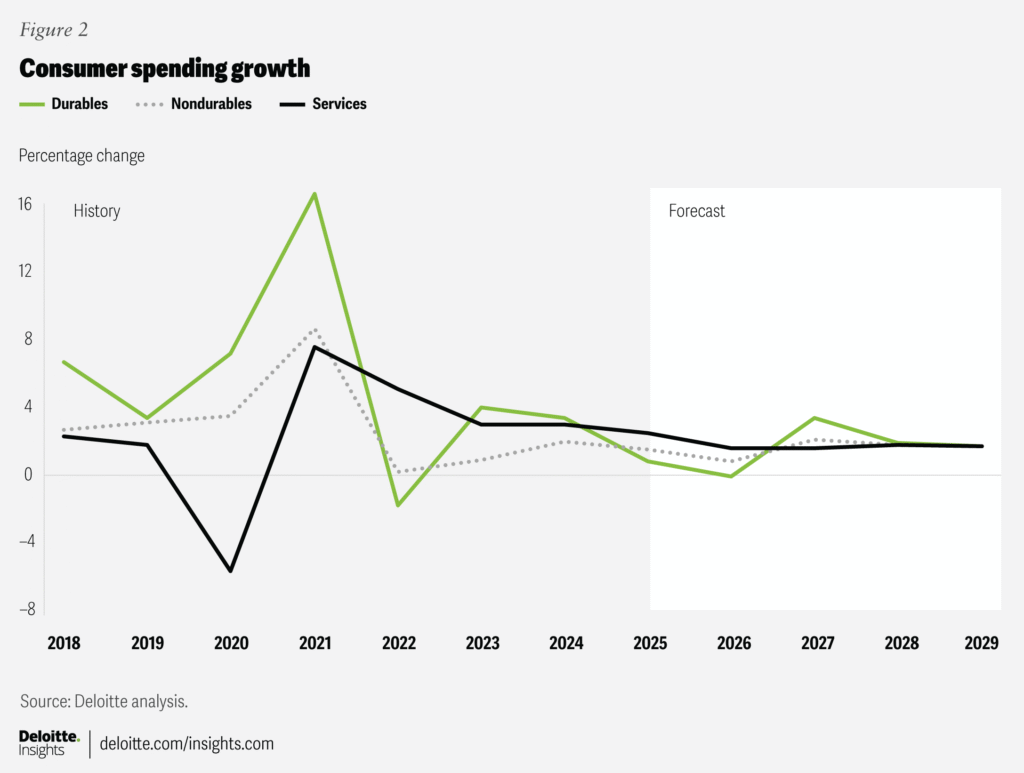
- Resilient Consumer Spending: The American consumer, who drives nearly 70% of the U.S. economy, remained surprisingly robust. Consumer spending grew at a 2.5% annual rate, with particular strength in services like healthcare, insurance, and travel. This indicates that household balance sheets, while weakening, are still providing a solid foundation for the economy.
- The Drag from Inventories and Trade: A significant portion of the slowdown was attributable to two volatile components: private inventory investment and international trade. Businesses accumulated inventories at a much slower pace than in the previous quarter, which subtracted nearly 0.4 percentage points from GDP growth. Meanwhile, a surge in imports (which subtract from GDP) widened the trade deficit, acting as another drag. These factors are often temporary and can reverse in subsequent quarters.
- A Surge in Fixed Investment: A bright spot was fixed investment, which grew at a 3.2% rate, fueled by increases in structures and intellectual property products. This suggests that business confidence, while cautious, has not collapsed.
1.2 The “Why” Behind the Slowdown: Interest Rates Bite
The primary driver of this economic deceleration is no mystery: it is the direct result of the Federal Reserve’s campaign to combat inflation. Since March 2022, the Fed has raised its benchmark federal funds rate from near zero to a range of 5.25% to 5.50%, the highest level in over two decades.
The transmission of these rate hikes works with a lag, but its effects are now becoming visible:
- Cooling Demand: Higher borrowing costs for mortgages, auto loans, and credit cards discourage big-ticket purchases and cool overall demand.
- Tighter Business Conditions: Companies face higher costs for financing expansion, new equipment, and inventory, leading them to pull back on investment plans.
- Strong Dollar Impact: High U.S. interest rates have strengthened the dollar, making U.S. exports more expensive and imports cheaper, which contributed to the trade deficit drag seen in the GDP report.
In essence, the slowdown is not an accidental stumble; it is a carefully engineered cooling-off period. The critical question is whether the Fed has applied the brakes too gently, too hard, or just right.
Section 2: The Anatomy of a Soft Landing – A Rare Feat in Economic History
The term “soft landing” is often used but rarely achieved. It describes the process whereby a central bank raises interest rates just enough to slow the economy and curb inflation, without causing a sharp rise in unemployment or triggering a recession.
2.1 Historical Precedents: The Gold Standard of 1994-1995
The most famous and successful soft landing in modern U.S. history was engineered by then-Federal Reserve Chair Alan Greenspan in the mid-1990s. After the Fed doubled interest rates from 3% to 6% between early 1994 and early 1995, the economy slowed temporarily. Growth dipped from over 4% to around 2.5%, and inflation was contained. Crucially, the unemployment rate remained stable and the economy avoided a recession, setting the stage for the boom of the late 1990s.
Other attempts have been less successful. In the early 2000s, rate hikes were followed by a mild recession, and the aggressive hiking cycle leading up to the 2008 Global Financial Crisis was a clear “hard landing.” The historical record shows that soft landings are the exception, not the rule.
2.2 The Mechanics of the Current Attempt
The current Fed, under Chair Jerome Powell, is attempting to replicate the success of 1994-95 but under vastly different circumstances. The post-pandemic economy is characterized by:
- A Super-Tight Labor Market: The unemployment rate has remained below 4% for an extended period, a phenomenon not seen since the 1960s.
- A Supply-Side Shock: The initial inflation surge was driven not just by demand but by pandemic-related supply chain disruptions and a subsequent energy price shock from the war in Ukraine.
- A Fundamental Reshuffling: The economy is undergoing structural shifts in work (remote/hybrid models), consumption (goods to services), and global trade patterns.
For a soft landing to occur now, the Fed needs wage growth to moderate without mass layoffs, and for supply chains to continue healing, helping to bring down inflation even as consumer demand remains positive. It is an incredibly complex and delicate balancing act.
Section 3: The Case for Optimism – Why a Soft Landing is Plausible
Despite the daunting historical odds, several powerful factors suggest a soft landing is within reach.
3.1 The Resilient Labor Market
The single strongest argument for a soft landing is the ongoing strength of the job market. As of the latest reports, the unemployment rate remains low, and job creation, while cooling from its torrid 2022-2023 pace, continues to be healthy.
- The Wage-Price Spiral Avoided (So Far): A key fear was that high inflation would lead workers to demand ever-higher wages, forcing businesses to raise prices further, creating a self-perpetuating “wage-price spiral.” While wage growth has been strong, it has recently begun to moderate and align more closely with the Fed’s 2% inflation target when productivity gains are factored in. This is a critical precondition for a soft landing.
- Worker Hoarding: After the extreme difficulty of re-hiring following the pandemic, many businesses are opting to “hoard” labor—keeping employees on payroll even if productivity dips slightly—rather than conduct mass layoffs. This behavioral shift could prevent the sharp rise in unemployment that typically defines a recession.
3.2 Easing Inflationary Pressures
The inflation picture has improved dramatically from its peak of over 9% in June 2022. The Consumer Price Index (CPI) has fallen significantly, though progress has become “bumpy” in recent months, stalling around the 3-4% range.
- Supply Chain Normalization: Key global supply chain pressure indices have returned to, or even fallen below, pre-pandemic levels. The delivery times, shipping costs, and backlogs that fueled goods inflation have largely been resolved.
- Falling Energy Prices: After significant volatility, energy prices have stabilized, removing a major source of inflationary pressure and consumer anxiety.
- Shelter Inflation Lag: A significant component of CPI is “shelter,” or housing costs. This metric lags behind real-time market data by 6-12 months. With market-rate rents having cooled substantially, a steady decline in official shelter inflation is expected throughout 2024, which will mechanically pull overall CPI lower.
3.3 Rising Productivity and Technological Innovation
A less discussed but potentially powerful factor is a recent surge in productivity growth. When workers produce more per hour, it allows the economy to grow faster without generating inflation. The boom in investment in automation and artificial intelligence (AI) could be beginning to bear fruit, providing a non-inflationary boost to economic capacity.
Section 4: The Case for Pessimism – The Pitfalls on the Path to a Landing
For all the optimism, the risks of a hard landing—or at least a “bumpy” one—remain substantial. The economy is navigating several major headwinds.
4.1 The Lagged Effects of Monetary Policy
The full impact of the Fed’s 11 rate hikes has likely not yet been felt. It can take 12 to 18 months for policy changes to fully work their way through the economy. The last rate hike was in July 2023, meaning the peak effects may only be felt in late 2024 or early 2025. This long and variable lag means the Fed might have already tightened more than necessary, setting the stage for an unnecessary downturn.
4.2 Stubborn “Sticky” Inflation
While goods inflation has faded and energy prices have calmed, “sticky” components of inflation are proving persistent. Services inflation excluding energy (often called “supercore” services) remains elevated. This category is heavily influenced by wage growth and is particularly sensitive to labor market tightness. If the labor market does not cool sufficiently, this sticky inflation could prevent the Fed from cutting rates, forcing them to hold policy restrictive for longer and increasing the risk of overtightening.
4.3 Geopolitical Wildcards and Oil Prices
The global landscape is fraught with risks that could reignite inflation. Escalating conflict in the Middle East or Ukraine could disrupt energy supplies and send oil prices soaring. Tensions in the South China Sea could threaten vital shipping lanes. Any major geopolitical shock could instantly reverse the progress made on inflation, forcing the Fed into an even more difficult position.
4.4 Consumer Resilience Facing Headwinds
The legendary resilience of the American consumer is being tested. Pandemic-era savings have been largely depleted for many households. Credit card debt has hit a record high, and delinquency rates are rising, particularly among lower-income cohorts. The resumption of student loan payments has also siphoned off disposable income. If the labor market weakens meaningfully, this fragile consumer balance could break, leading to a sharp pullback in spending.
Read more: Commodities and Currency Movements Affecting Markets
Section 5: The Expert Consensus and Alternative Scenarios
The economic community is divided, though a cautious optimism for a soft landing has grown.
- The Federal Reserve’s View: The Fed itself has become increasingly confident in a soft landing scenario. Their latest projections suggest they anticipate core inflation to continue gradually falling while unemployment rises only modestly. They are signaling a preference to hold rates “higher for longer” until they are confident inflation is sustainably returning to 2%.
- Wall Street and Economist Forecasts: A majority of bank economists now assign a higher probability to a soft landing than a recession in 2024. However, they caution that growth is likely to remain sub-par, and the margin for error is slim.
- The “No Landing” Scenario: Some analysts propose a “no landing” scenario, where the economy re-accelerates, and inflation stabilizes above the Fed’s target, perhaps around 3%. This would present a profound dilemma for the Fed: accept higher inflation or risk a more severe downturn to crush it completely.
- The “Hard Landing” Scenario: Skeptics, including renowned economists like Nouriel Roubini and David Rosenberg, point to the inverted yield curve (a historically reliable recession indicator), weakening leading economic indicators, and the sheer magnitude of the interest rate shock as evidence that a recession is merely delayed, not avoided.
Conclusion: Navigating the Uncertainty
The U.S. economy is at a critical juncture. The slowdown in GDP growth is a clear sign that the Federal Reserve’s policies are having their intended effect. Whether this culminates in a soft landing, a hard landing, or something in between remains one of the most consequential questions of our time.
The evidence suggests that a soft landing, while exceptionally difficult, is a plausible outcome. The unique strengths of the current cycle—a resilient labor market, healing supply chains, and potential productivity gains—provide a buffer not present in previous tightening cycles. However, the path is narrow, and the risks are real. Stubborn inflation, geopolitical shocks, and the delayed impact of high interest rates could easily derail the progress.
For businesses, investors, and households, the imperative is preparedness and resilience. This is not a time for reckless bets or drastic assumptions. It is a time for careful monitoring of key data—particularly monthly jobs reports and inflation readings—and for building flexibility into financial and operational plans.
The Federal Reserve has navigated the economy through the initial inflationary storm. The final approach to the landing strip is now underway. The lights are on, but as any pilot will attest, the landing is the most difficult part of the journey. All eyes are on the data, the Fed, and the enduring strength of the American economy to stick the landing.
Read more: Volkswagen Courts Trump Administration for Tariff Deal
Frequently Asked Questions (FAQ)
Q1: What exactly is a “soft landing” in economic terms?
A: A soft landing refers to the desired outcome where a central bank, like the Federal Reserve, successfully slows down an overheating economy and brings high inflation under control without causing a significant economic downturn or a sharp rise in unemployment. It’s akin to gently applying the brakes on a car to slow down rather than slamming them and causing a skid.
Q2: If GDP growth is slowing, why is the Fed not cutting interest rates immediately?
A: The Fed’s primary mandate is price stability (controlling inflation). While growth is slowing, inflation remains above their 2% target. Cutting rates too soon could risk re-igniting inflation, undoing all the progress made. The Fed has signaled it needs to see several more months of convincing data showing inflation is sustainably moving toward 2% before it will feel comfortable cutting rates.
Q3: How does a strong labor market make the Fed’s job harder?
A: A very strong labor market with more job openings than workers can lead to upward pressure on wages. While good for workers, if wage growth consistently exceeds productivity growth, it can force businesses to raise prices to cover labor costs, fueling inflation. The Fed needs to see some cooling in the labor market to be confident that inflationary pressures are fully under control.
Q4: What is the difference between a “hard landing” and a recession?
A: In practical terms, they are often used interchangeably in this context. A “hard landing” is the scenario where the Fed’s rate hikes cause a significant economic contraction—that is, a recession. It implies that the policy was too aggressive and crashed the economy instead of gently slowing it down.
Q5: As a consumer or small business owner, what should I be watching for?
A: Key indicators to monitor include:
- The Monthly Jobs Report: Look for the unemployment rate and wage growth figures.
- The Consumer Price Index (CPI) and Personal Consumption Expenditures (PCE): These are the main inflation gauges.
- Federal Reserve Statements: Pay attention to the Fed’s public communications after their policy meetings for clues on their future actions.
- Consumer Confidence Data: This is a leading indicator of future spending patterns.
Q6: What is “core inflation” and why do economists focus on it?
A: Core inflation is a measure that excludes volatile food and energy prices. These prices can swing wildly based on weather, geopolitics, and other temporary factors. By focusing on core inflation, economists and the Fed get a clearer view of the underlying, persistent inflation trend that monetary policy can actually influence.
Q7: Could government policy help facilitate a soft landing?
A: Potentially. While the Fed handles monetary policy (interest rates), the federal government handles fiscal policy (taxing and spending). Prudent fiscal policy that avoids injecting excessive stimulus into an already hot economy can support the Fed’s efforts. However, with a divided government, major new fiscal initiatives are unlikely in the near term.